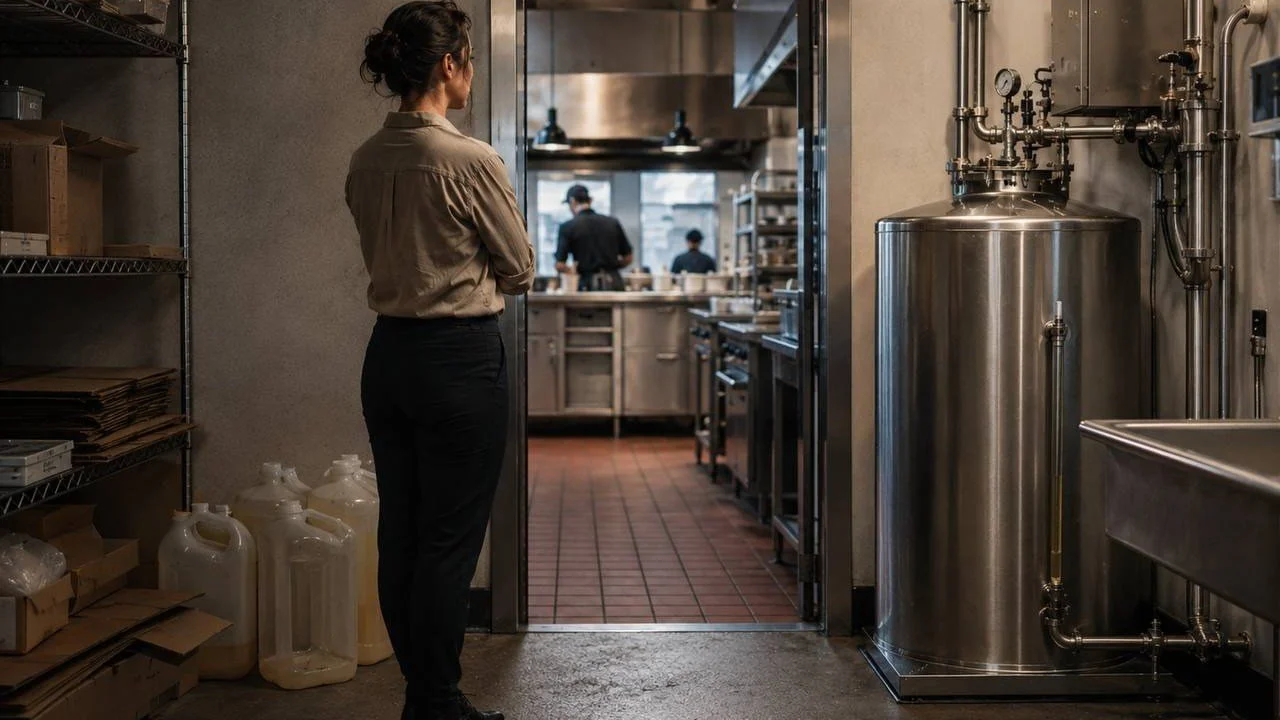
For years, packaging was treated as something separate from the product. The oil was the purchase. The container was just how it arrived. But after enough time inside high-volume foodservice, that distinction becomes harder to maintain. In practice, the container shapes the work. It affects space, labor, safety, cleanliness, purchasing routines, waste flow, and the number of small touches required to keep a kitchen running. That is where my thinking began to change.
Read MoreSustainability conversations often focus on what happens after materials have done their job. Waste is sorted, hauled, diverted, composted, recycled, or sent to landfill. Reporting usually begins there as well, once materials have already entered the waste stream and require some form of handling.
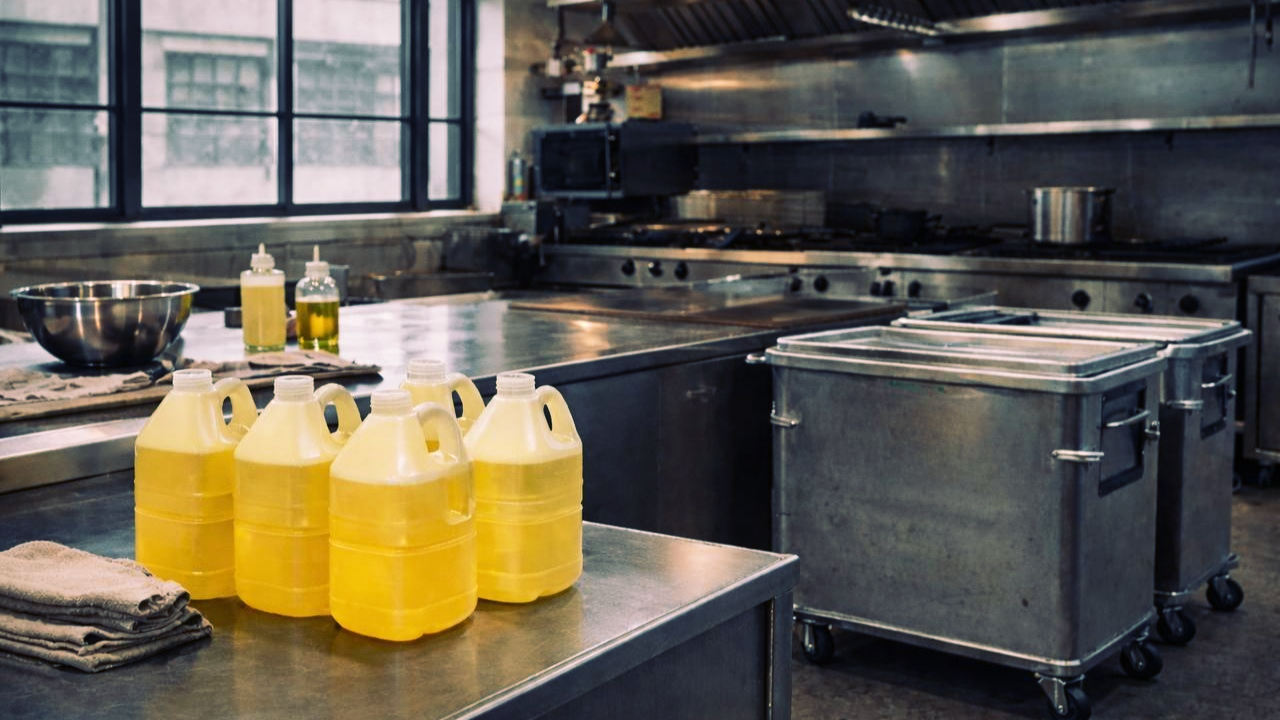
Read MoreFood waste is a major global issue that affects us all. According to the Food and Agriculture Organization (FAO), approximately one-third of all food produced globally is lost or wasted every year. This amounts to approximately 1.3 billion tons of food that is never consumed. This is a staggering amount of food that could have been used to feed the world's hungry or reduce the environmental impact of food production.
Read MoreIn the fight against climate change, waste reduction has the potential to be a game-changer. Waste is a substantial source of greenhouse gas emissions, with methane accounting for 16% of all greenhouse gas emissions worldwide.
Read More