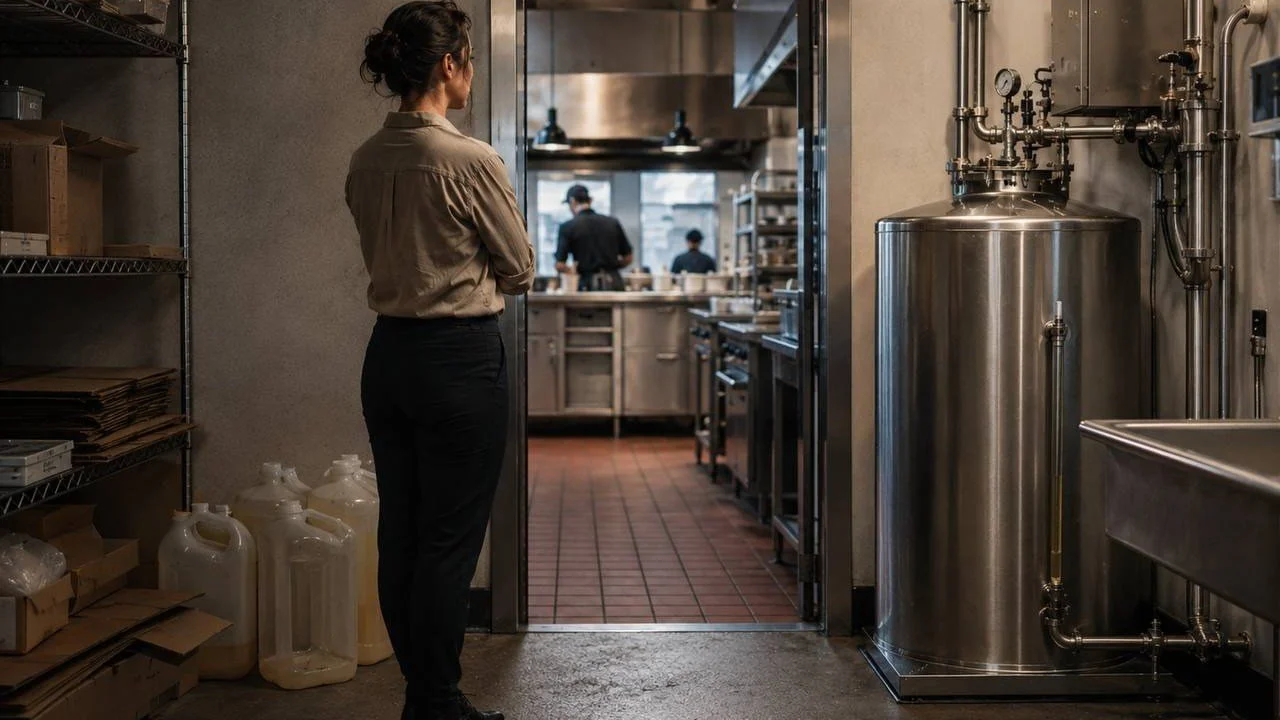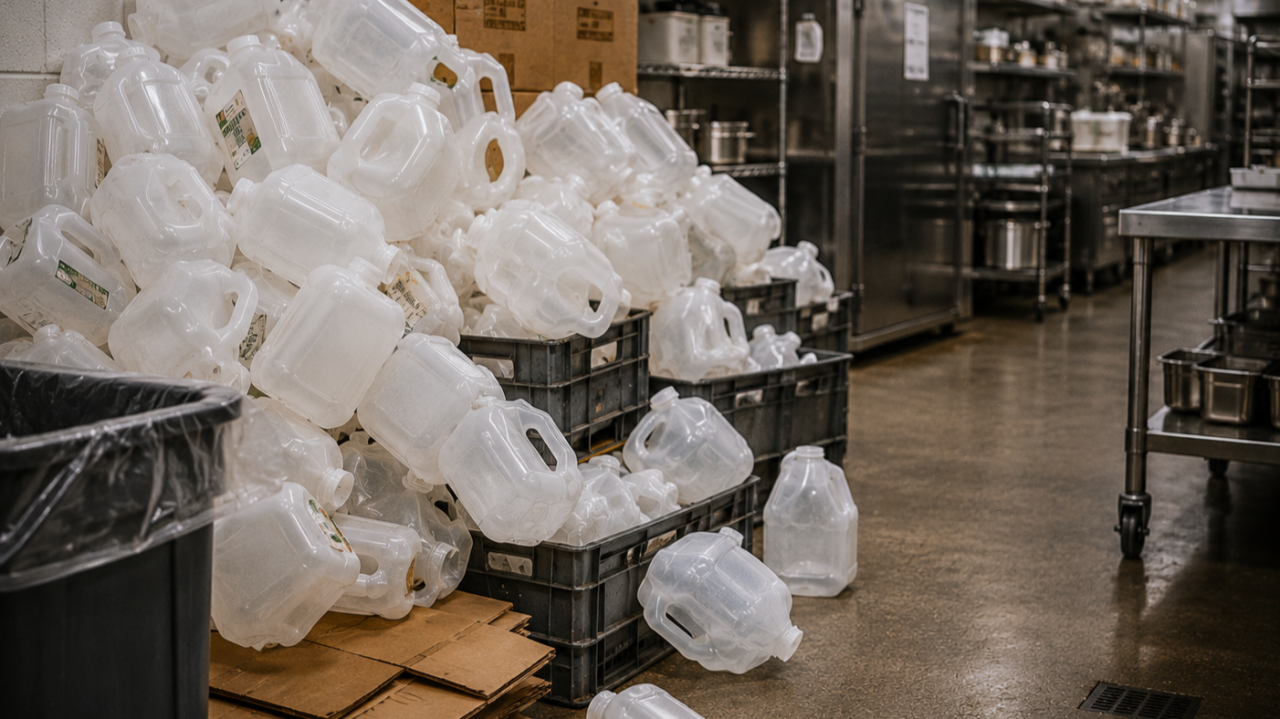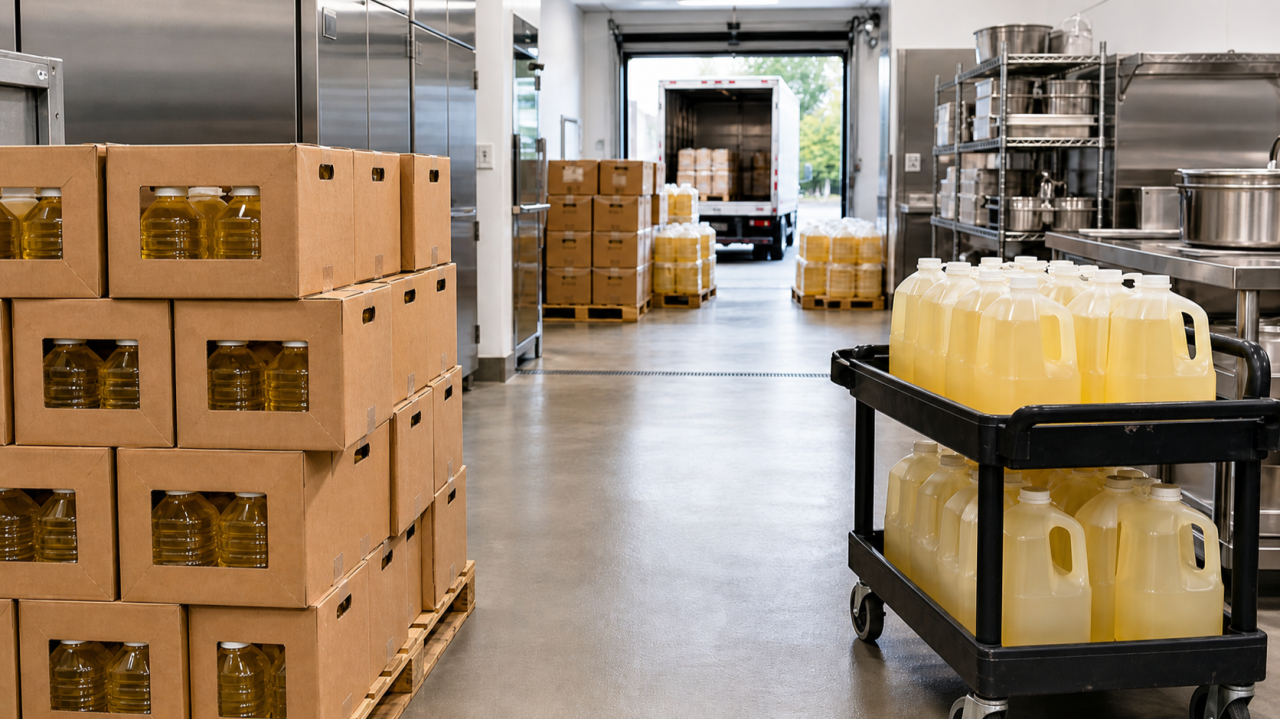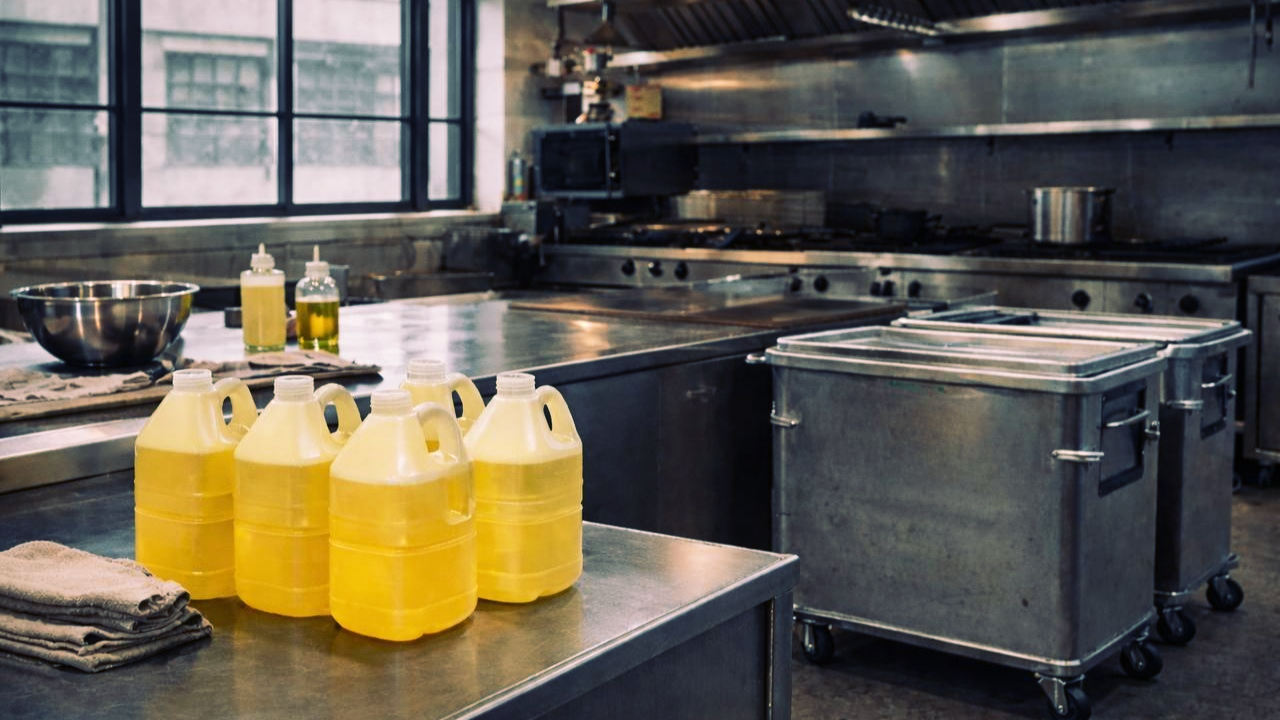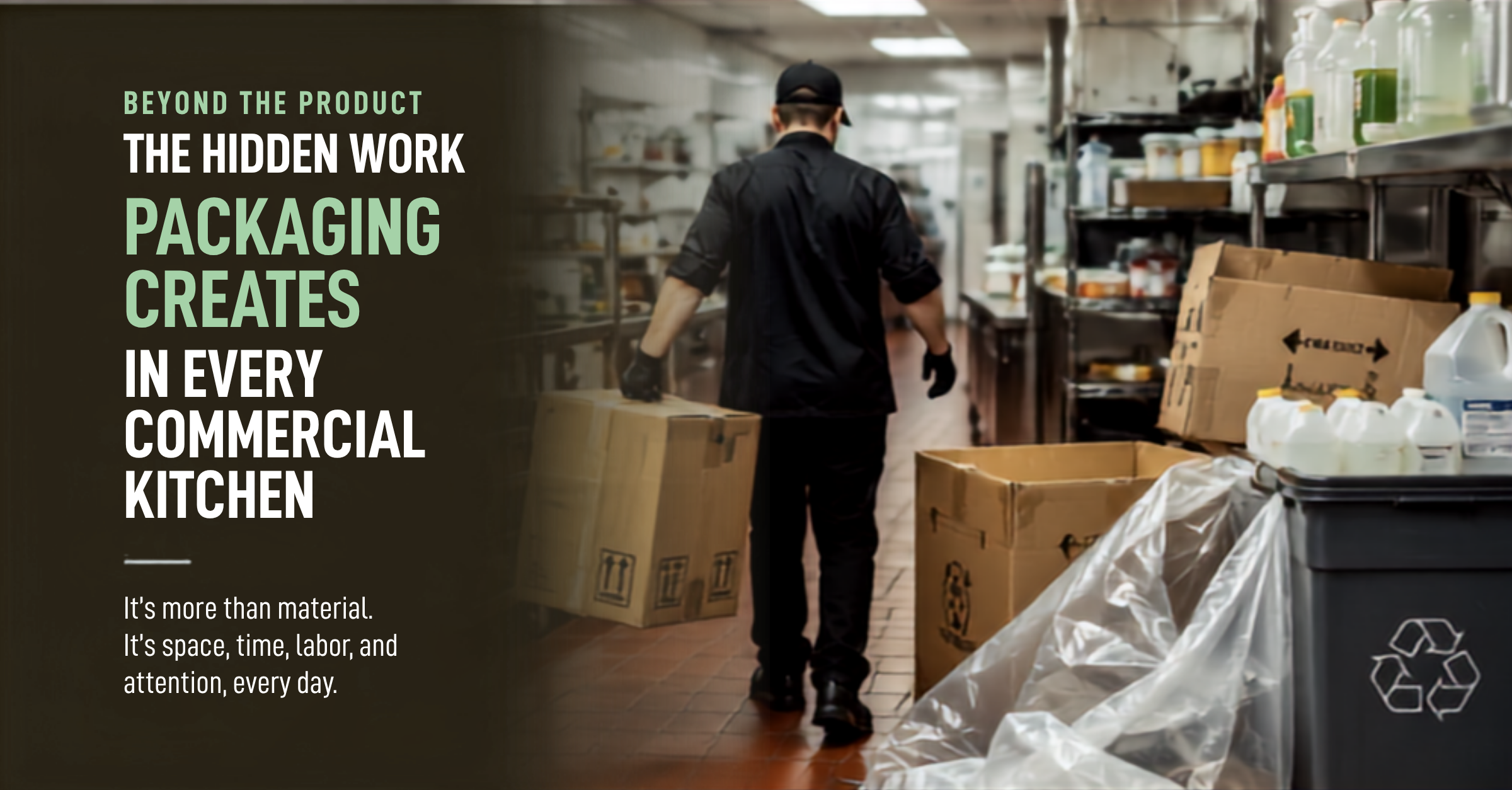
For years, packaging was treated as something separate from the product. The oil was the purchase. The container was just how it arrived. But after enough time inside high-volume foodservice, that distinction becomes harder to maintain. In practice, the container shapes the work. It affects space, labor, safety, cleanliness, purchasing routines, waste flow, and the number of small touches required to keep a kitchen running. That is where my thinking began to change.
Read MoreA box does not disappear when it reaches the kitchen. Someone receives it. Someone moves it. Someone finds a place for it. Someone opens it, breaks it down, stages it, and eventually sends it into the waste or recovery stream.
Read MoreRefill is often discussed as though it were mainly a packaging choice. A product used to arrive in one kind of container. Now it arrives in another. The old package is replaced with something reusable, returnable, or refillable. From the outside, that can look like the whole change.
Read MoreSustainability conversations often start with the package. A material is made lighter. Recycled content is increased. Plastic is replaced with fiber. A disposable format becomes compostable. In many cases, these are worthwhile improvements. They can reduce harm and move an organization in a better direction.
Read MoreSustainability conversations often focus on what happens after materials have done their job. Waste is sorted, hauled, diverted, composted, recycled, or sent to landfill. Reporting usually begins there as well, once materials have already entered the waste stream and require some form of handling.
Read MoreMuch of the sustainability conversation today focuses on materials. Plastic versus compostable. Recyclable versus biodegradable. But in high volume operations, another shift is beginning to emerge: redesigning the systems that create the waste in the first place.
Read MoreDiscover ERS's sustainability journey through 2024: 395,584 pounds of packaging waste diverted, over 1 million kgs of CO2 prevented, and 266,687 cubic feet of landfill space preserved.
Read MoreChase Center, home to the Golden State Warriors and a premier destination for fans across the Bay Area, has set a new standard in NBA arenas by embracing sustainability and innovation in its food service operations. Recently, the arena earned the No. 3 spot overall in NBA arena rankings for the 2024-25 season, with particular accolades for its dining experience, which ranked No. 1 in both food/concessions and amenities.
Read MoreA leader in AI-driven cybersecurity, Palo Alto Networks also embraces sustainable practices, reducing waste through innovative partnerships.
Read MoreThis partnership underscores Diablo Country Club’s dedication to blending luxury with environmental stewardship, ensuring their dining services fully embrace modern eco-friendly practices.
Read MoreSnowflake, a leader in cloud data solutions, is taking significant steps towards sustainability by joining Eco Refill Solutions' Green Alternative Program.
Read MoreWe are excited to announce that OpenAI has joined Eco Refill Solutions' Green Alternative Program. As a new partner, OpenAI integrated our eco-friendly oil delivery system into their foodservice operations, further demonstrating their commitment to sustainability and environmental responsibility.
Read MoreEco Refill Systems has officially become Eco Refill Solutions (ERS), marking a significant milestone in our journey to provide sustainable and high-quality cooking oil solutions.
Read MoreIn today's modern world, the impact of plastic on the environment has become an ever-increasing concern. From the Great Pacific Garbage Patch to the pollution in our oceans and landfills, plastic waste has become a significant environmental issue. As conscientious individuals and businesses, it is our responsibility to take action and reduce our plastic usage to protect our planet and its delicate ecosystems.
Read MoreIn today's fast-paced world, where food travels long distances before reaching our plates, there is a growing movement towards embracing locally grown food. The benefits of consuming food that is sourced from nearby farms go beyond just satisfying our taste buds.
Read MoreFood waste is a major global issue that affects us all. According to the Food and Agriculture Organization (FAO), approximately one-third of all food produced globally is lost or wasted every year. This amounts to approximately 1.3 billion tons of food that is never consumed. This is a staggering amount of food that could have been used to feed the world's hungry or reduce the environmental impact of food production.
Read MoreJoin Eco Refill Systems and our CEO Bernadette Sarouli on Wednesday, April 26, as we participate in Intuit's Stop Food Waste Day event.
Read MoreIn the fight against climate change, waste reduction has the potential to be a game-changer. Waste is a substantial source of greenhouse gas emissions, with methane accounting for 16% of all greenhouse gas emissions worldwide.
Read MoreEco Refill Solutions is transforming how California's foodservice kitchens receive cooking oils. With a pioneering zero-waste delivery model, ERS ensures fresh, flavorful oils with minimal environmental impact, eliminating disposable packaging from the oil supply chain.
Read MoreWith a team of innovative thinkers and a passion for sustainability, Eco Refill Systems is changing the game in the food service industry. By delivering fresh, sustainable cooking oil in days or even hours, they are providing a solution to the problems associated with traditional oil packaging and distribution.
Read More